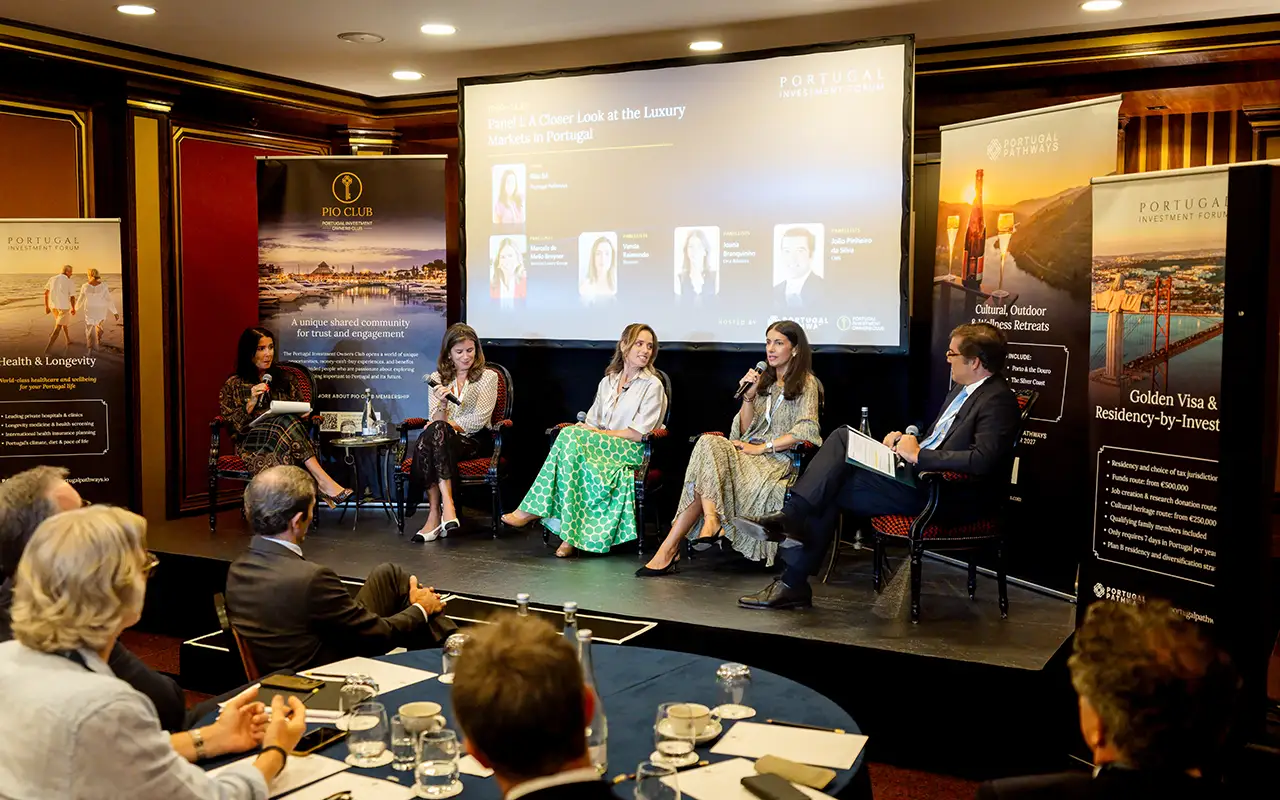
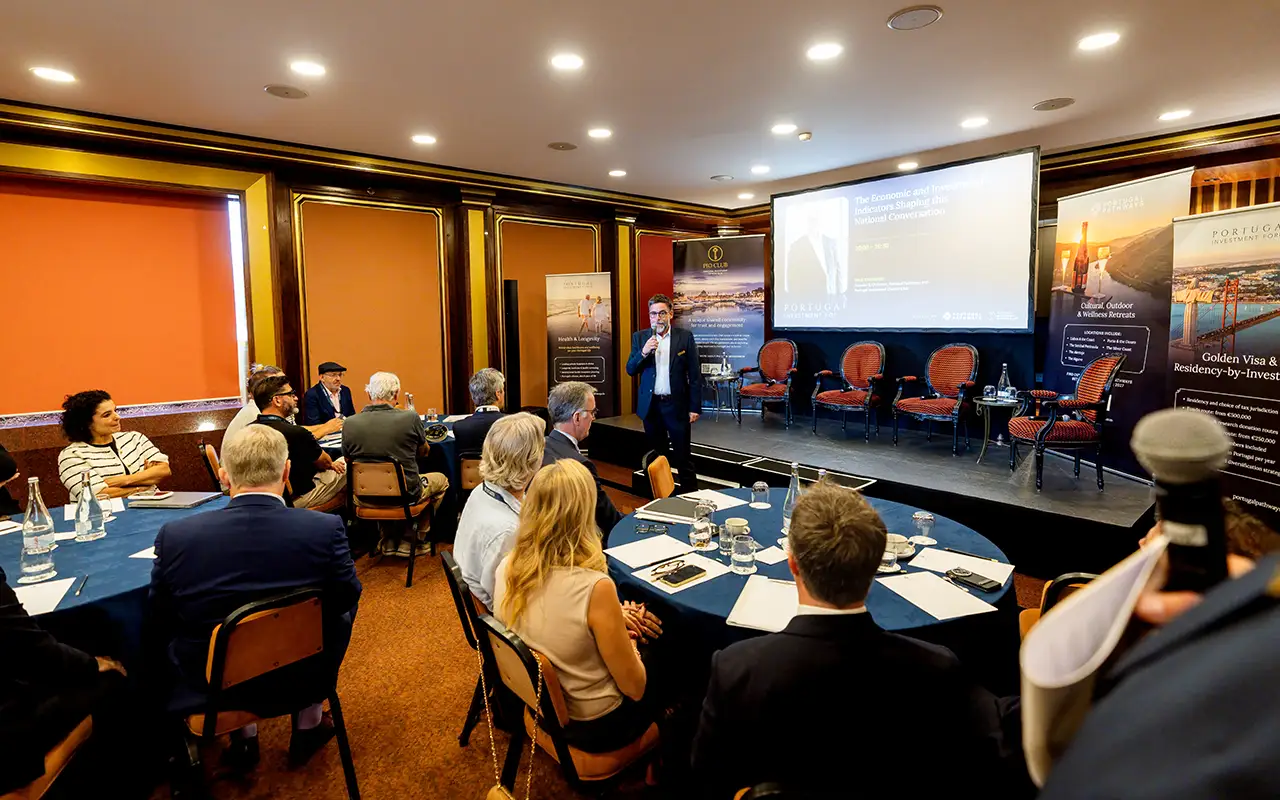
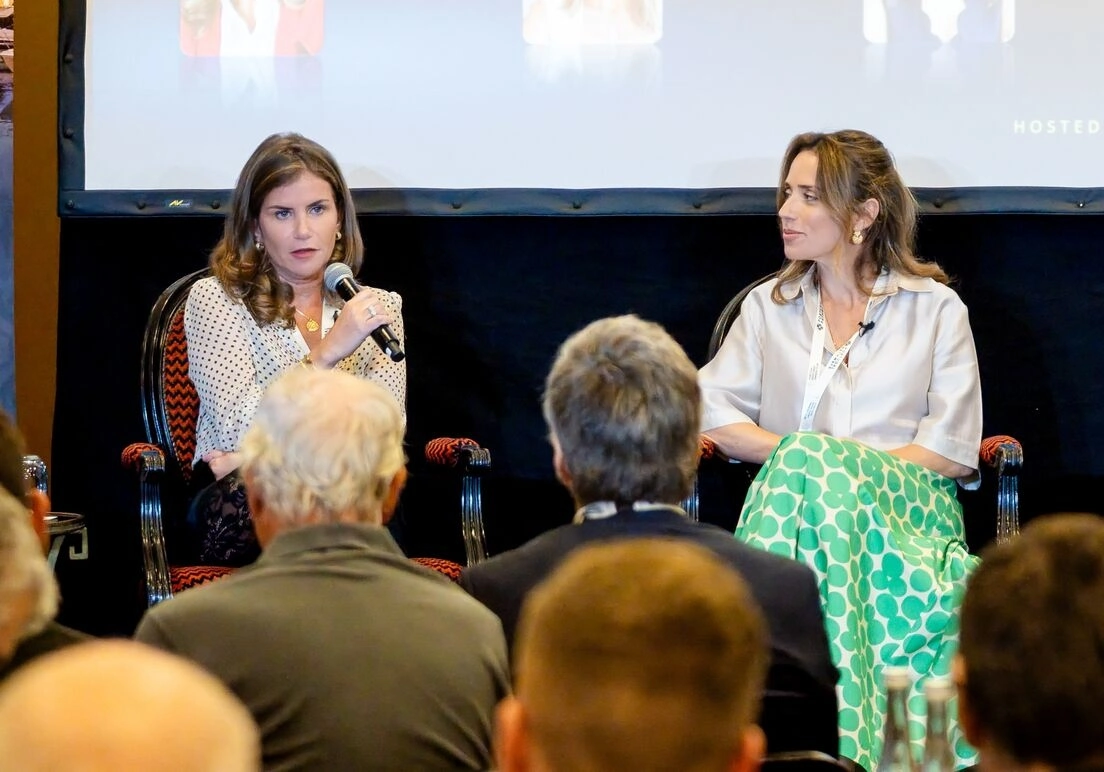
Marcela de Mello Breyner, director at Amorim Luxury Group, argued that luxury brands have helped reshape Portugal into a sophisticated lifestyle and hospitality destination, but that the country has been too quiet about it. The experts shared that view and agreed on other key metrics for a growing and balanced economy. Portugal’s luxury proposition rests on authenticity, craftsmanship and a sense of place rather than on international brand names. It was also a hot topic of debate that investors are buying legal certainty, so predictability in licensing, residency, business formation and planning is what will build confidence. And the tax, residency and fund structures now in place are aimed at attracting value creators and patient family capital, not passive investment alone.
A common theme that ran throughout the nationwide forum was around moving to a digital-based economy for public services, licensing, immigration as this is essential to be competitive internationally and give confidence to value creators and investors who have too often found it difficult to operate in a labour-intensive, analogue-heavy environment.
Vanda Raimundo, founder of Blossom, described a luxury market shifting towards experience, emotional connection and purpose. João Pinheiro da Silva, partner at CMS Law, warned that an asset is only worth as much as its licence and that investors should ask not what the rules are today but how dependent their investment is on those rules staying unchanged. Portugal holds the third largest branded residence pipeline in Europe, but the panel agreed that branded schemes only add value where they align with the destination, and that attracting relocating families now depends as much on international education and healthcare as on bricks and mortar.
Hugo Vau of Atlantic Wave, who surfed a wave at Nazaré estimated at 35 metres, set the tone for the heritage, philanthropy and impact panel by describing how visibility from big-wave surfing now funds his Atlantic Giants NGO, working with children and fishing communities, and how connecting decision-makers to the ocean changes the way they run their businesses. Paul Stannard, chair of that panel, drew the parallel between investing and surfing, both of which demand preparation, bravery and a team ethic, which is essential for longevity and staying on the economic wave.
On incentives, Nuno Santos, tax partner at CMS Law, set out the IFICI regime, the successor to NHR, with its 20% flat rate on eligible income and 10-year exemption on qualifying foreign income, and explained how regulated fund structures are increasingly used by families to manage succession and generational transition. The experts identified longevity, biotech, data centres and sustainability as the geostrategic sectors to watch, and proposed entrepreneurship through acquisition as a route to professionalising the family-owned SMEs that dominate the economy.
João Folque Antunes, Deputy CEO at Edmond de Rothschild, talked about impact and legacy, commenting on the legacy of Portugal’s Golden Visa and the NHR tax regime. In the financial crisis, Lisbon and other areas were folding in on themselves, buildings and businesses collapsing with talent leaving en masse. In fact, it’s more often the case that international investors want to bring old cultural buildings back to life, as well as impact related start-ups.
The discussions talked about how the Golden Visa residency-by-investment programme and tax incentives should evolve to support high-value job creation, impact in areas such as housing for local people, and it was unanimous from both the experts and audience that perhaps the alternative investment funds should have 10-15% allocated to these areas and tax incentives to investors and asset managers who support this principle. This would be popular with investors and the public and start to show how everyone can feel the benefit of economic upside in Portugal’s future.
Rodrigo Champalimaud, chairman of Algo Lab, and Gonçalo Santos, vice-president and CCO of the Sharing Education Group, both talked about impact and legacy and how it can create international recognition and be a catalyst for change and education.
Stannard added that media, events and storytelling are the lifeblood of inward investment, citing Portugal’s first biotech fund, which drew capital from the European Investment Fund. Representatives of Turismo de Portugal closed by setting out plans to spread tourism beyond Lisbon, Porto and the Algarve into the Alentejo, the Douro and the Azores, backed by a free ESG reporting platform already used by more than 1,000 companies.
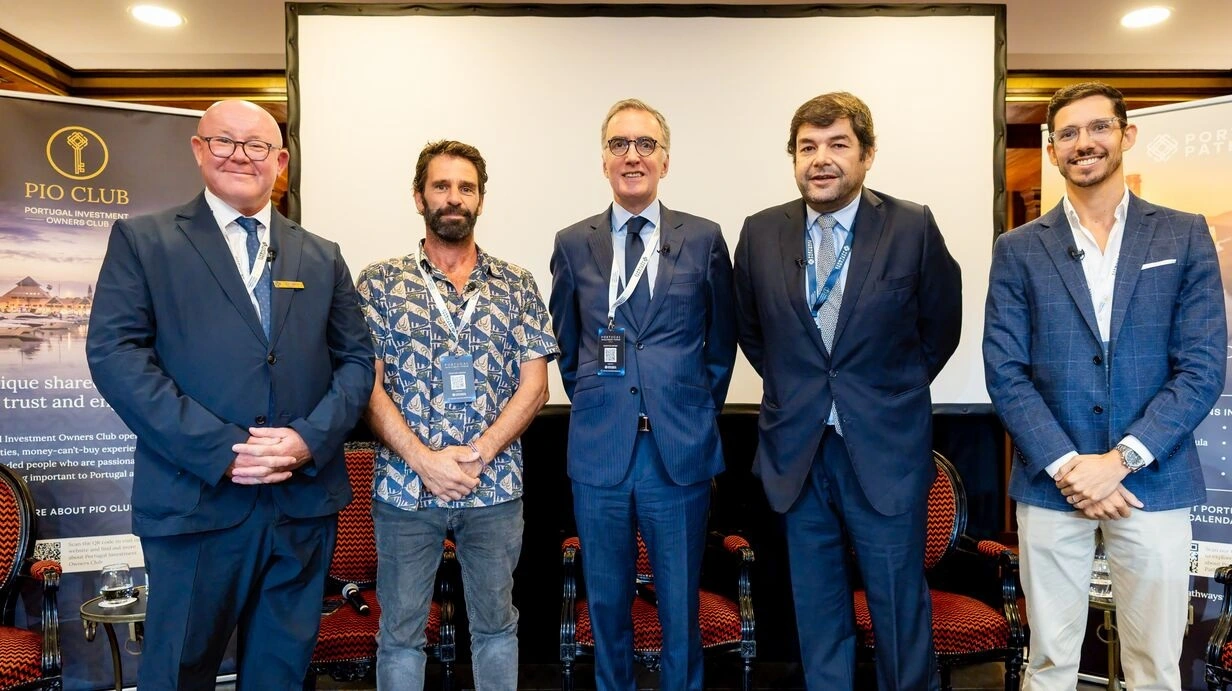
The speakers in Estoril included international explorers and world-famous Portuguese sports figure and ocean conservationist, a private bank, a luxury group, legal and professional advisors from real estate, tax lawyers, leading academics, entrepreneurs, education and technology founders, the national tourism authority and a member of one of Portugal’s most prominent philanthropic families, who’s impact on Portugal’s future has been profound.
The Portugal Investment Forum was organised and hosted by Portugal Pathways and the Portugal Investment Owners Club.