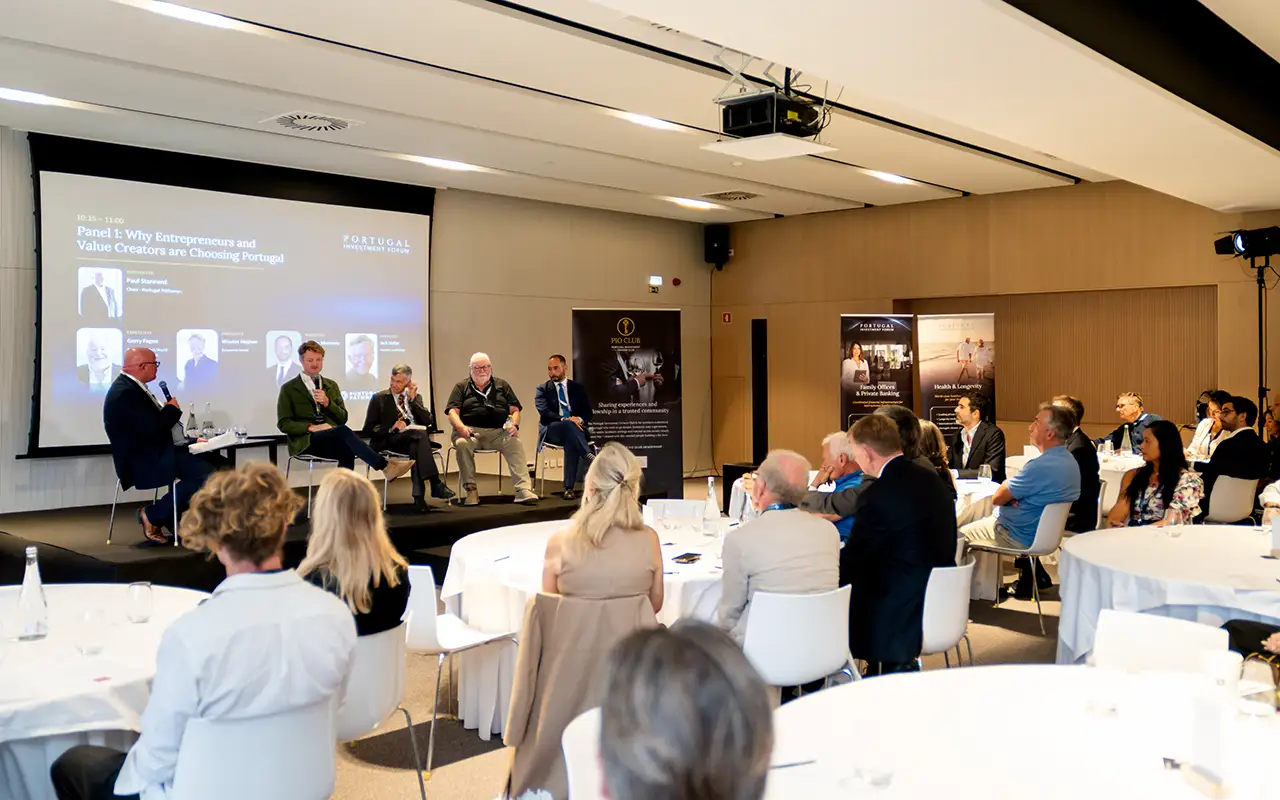
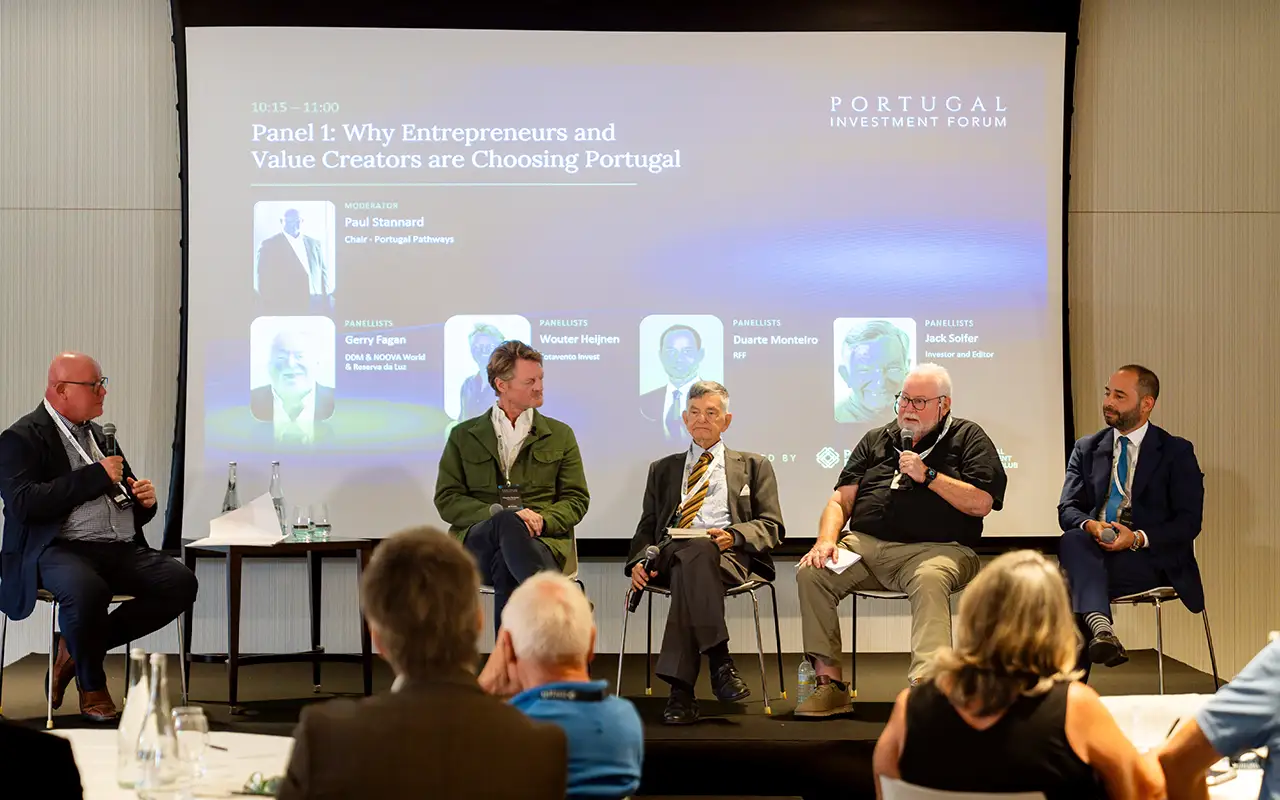
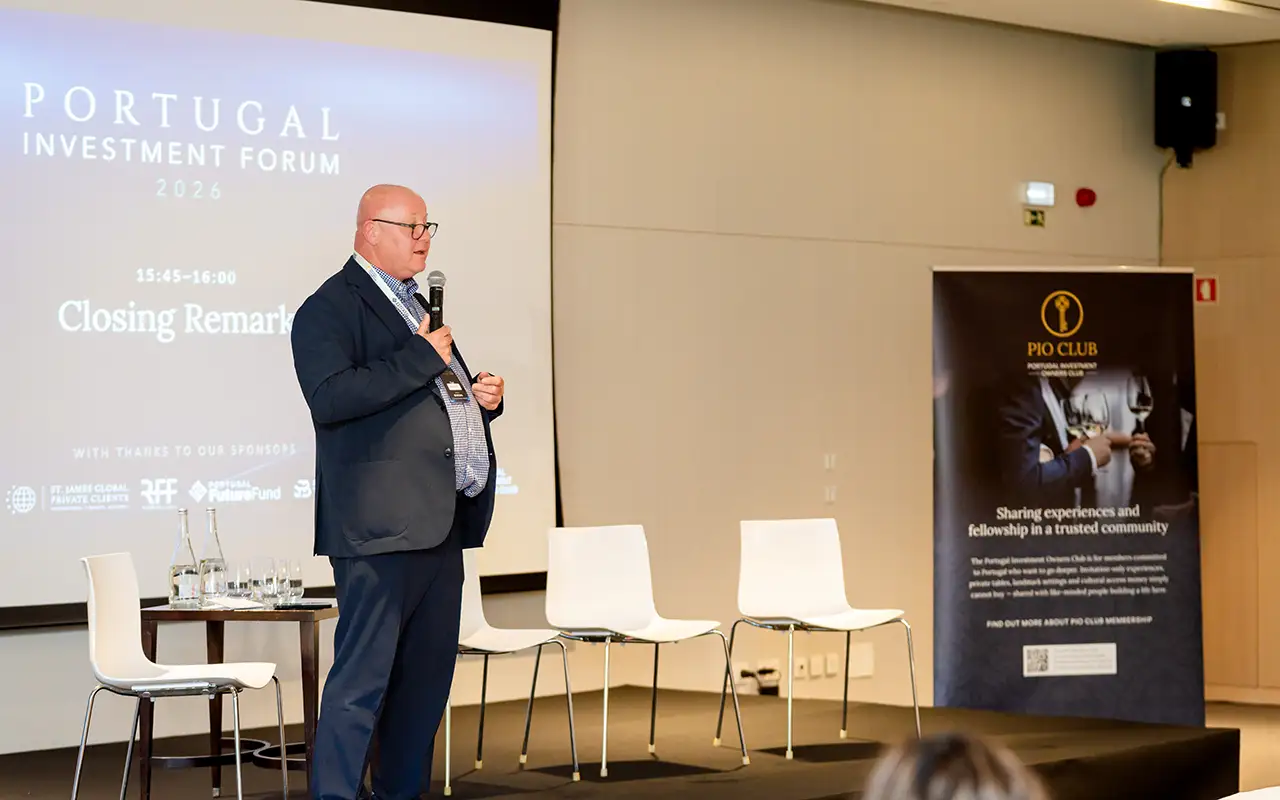
Duarte Ornelas Monteiro, associate partner at RFF Lawyers argued that Portugal already has the tools to attract talent, from the Golden Visa and special tax regimes to startup and scientific programmes, but that it needs greater awareness of its benefits and everyone must come together and fix what is not working, above all housing and the salaries, as a community alongside government and universities.
Trusted partners matter more in Portugal than almost anywhere, because the laws exist but knowing how to use them, and with whom, decides whether an investment succeeds.
The €10 billion investment arriving from Microsoft and Nvidia at the Sines data-centre campus does not reach the founder in Faro who needs €300,000 for a bridging round, so the gap between headline numbers and the real economy must be bridged from the bottom up. And Portugal’s stability, geography and consensus politics are a genuine advantage, provided bureaucracy and decision times are cut.
On why value creators choose Portugal, Jack Soifer, an investor in Portugal for over 40 years and now an editor, said flexibility across sectors and the right local partner have delivered strong returns. However, he highlighted that many talented Portuguese left because of bureaucracy, which has to be simplified if Portugal is to become a consistent and balanced economy.
Gerry Fagan of DDM, NOOVA World and Reserva da Luz, an entrepreneur and developer, said the Golden Visa remains the most underestimated programme in Portugal’s history, with the €9 billion headline a fraction of its true impact, closer to €54 billion and 25,000 jobs. People who come to the country, much like himself, invest in property or the Golden Visa, but then fall in love with it and invest far more.
Wouter Heijnen of Sotavento Invest is a Dutch investor who, along with other international investors in the Algarve, is ploughing his own money into start-ups.
Monteiro added that a Golden Visa route tied to affordable housing is under discussion and that the Golden Visa was what put Portugal on the international investment map, while warning that slow decisions, including four or five years for tax litigation, are worse than bureaucracy itself.

Henrique Peyssonneau Nunes, partner at CMS Law, reinforced the points made by Monteiro and highlighted that evolution and collaboration are key to Portugal’s future.
The Golden Visa residency-by-investment programme and tax regimes such as the old NHR and the new IFICI transformed Portugal’s economy. The Portuguese panellists highlighted that the country was in ruins after the financial crisis and Covid, but these became catalysts. And while they have evolved or changed names, they are still needed, and there is a swell of opinion from the legal profession, as well as investors, that international investors would support a percentage of funds, say 10% to 15%, being deployed into social housing and supporting young talent in start-ups.
The IFICI tax regime has evolved in its short life and now offers significant benefits for value creators opening businesses in Portugal, with more flexibility than the old system, but only by supporting productive activity rather than offering tax relief on pensions.

Francisco Archer of Restart SCR, part of Arrow Global, said he was glad that events like these are put on by companies such as Portugal Pathways and the Portugal Investment Owners Club, as it is a big commitment from the private sector, but it shows that by working together you can create real change and action and continue to build on Portugal’s economic trajectory.
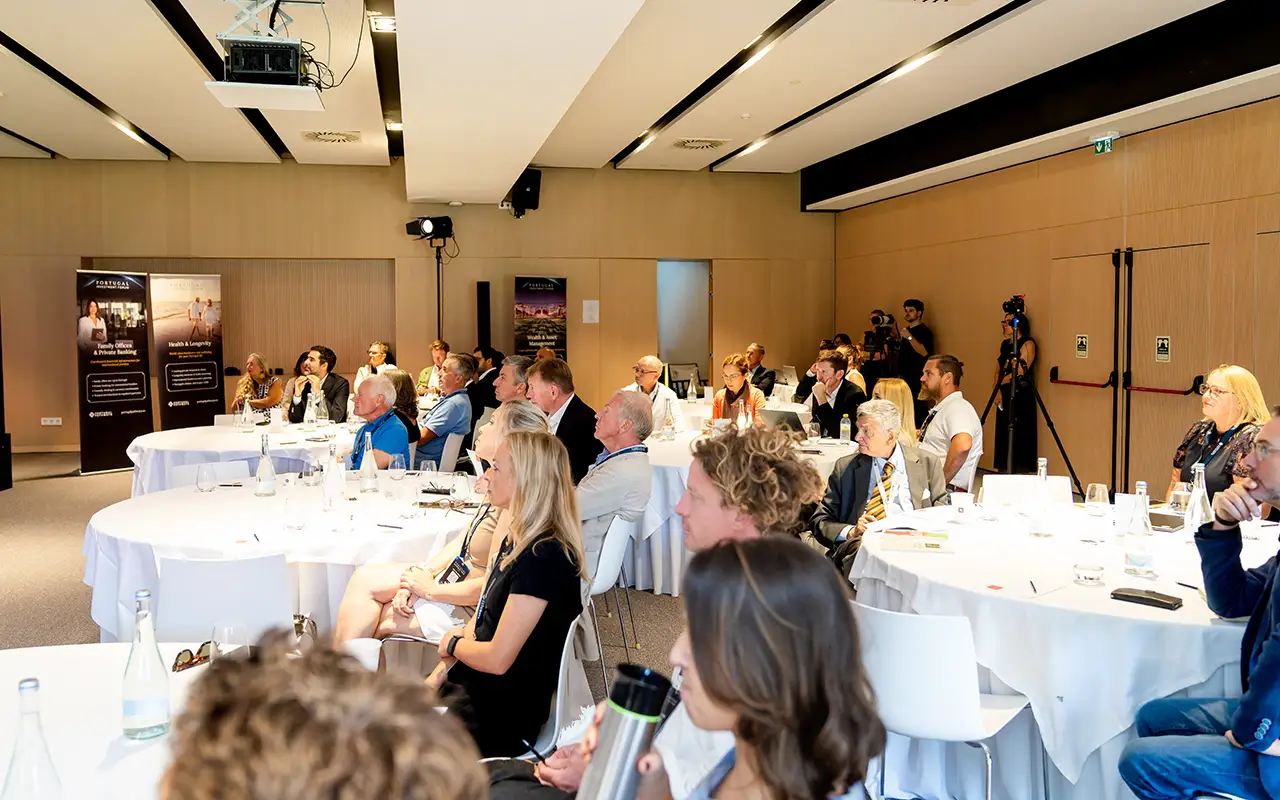
The expert panellists and speakers in Lagos included a veteran Nordic industrial investor, a property developer, an early-stage venture investor, tax and immigration lawyers, a private equity firm, and wealth managers.
The Portugal Investment Forum was organised and hosted by Portugal Pathways and the Portugal Investment Owners Club.
The Portugal Investment Forum was organised and hosted by Portugal Pathways and the Portugal Investment Owners Club.