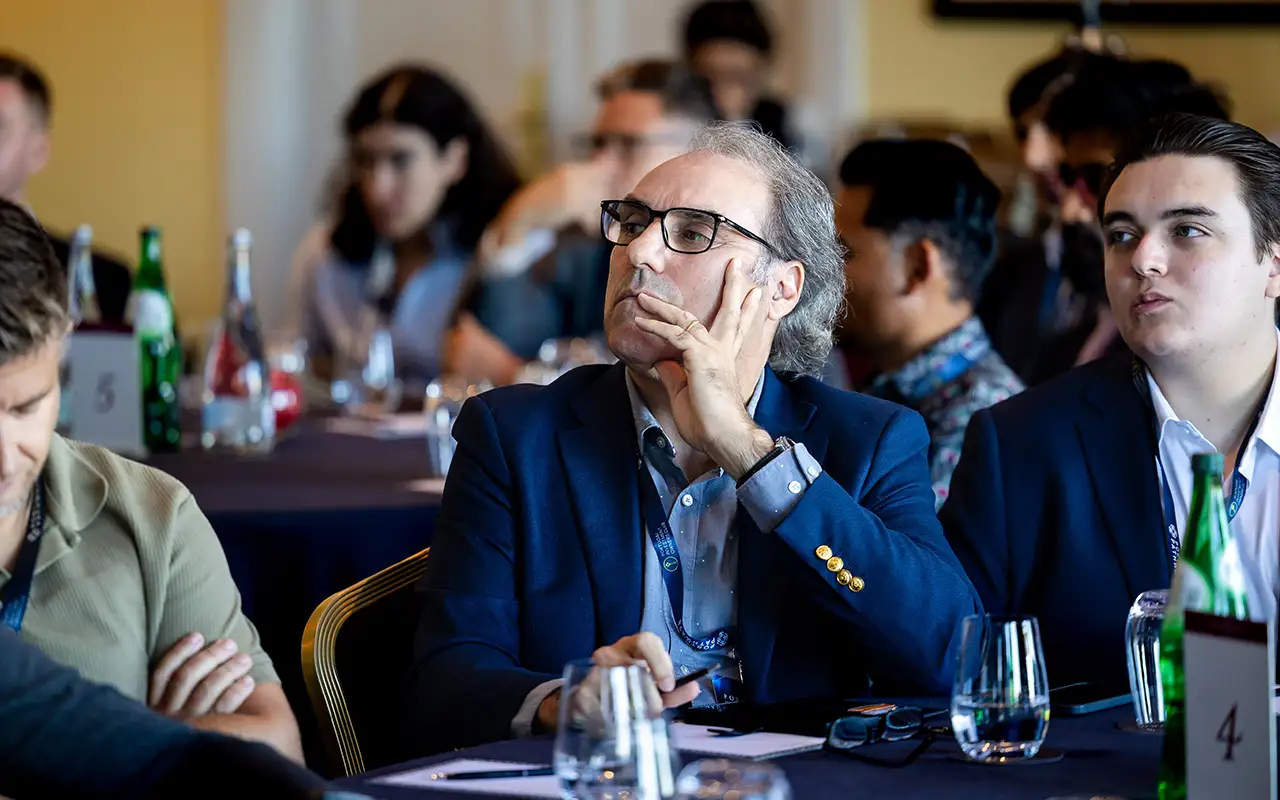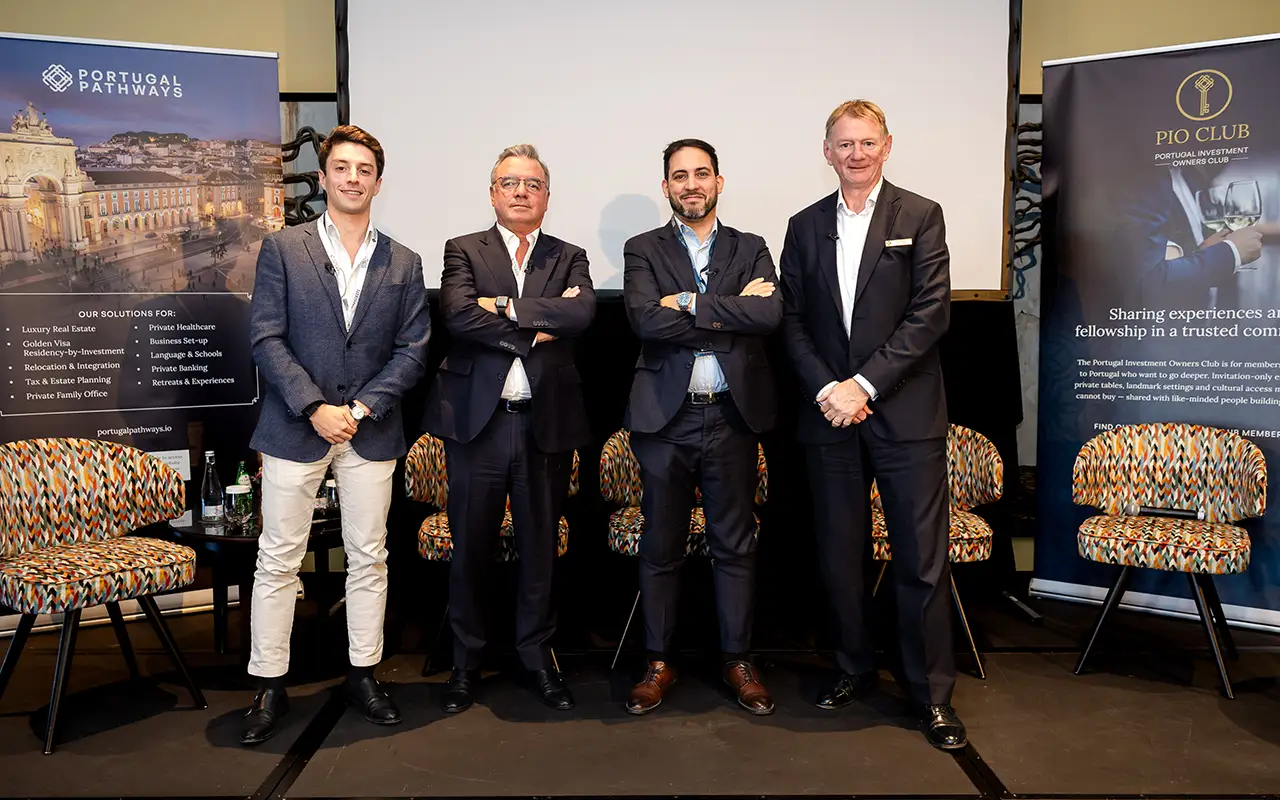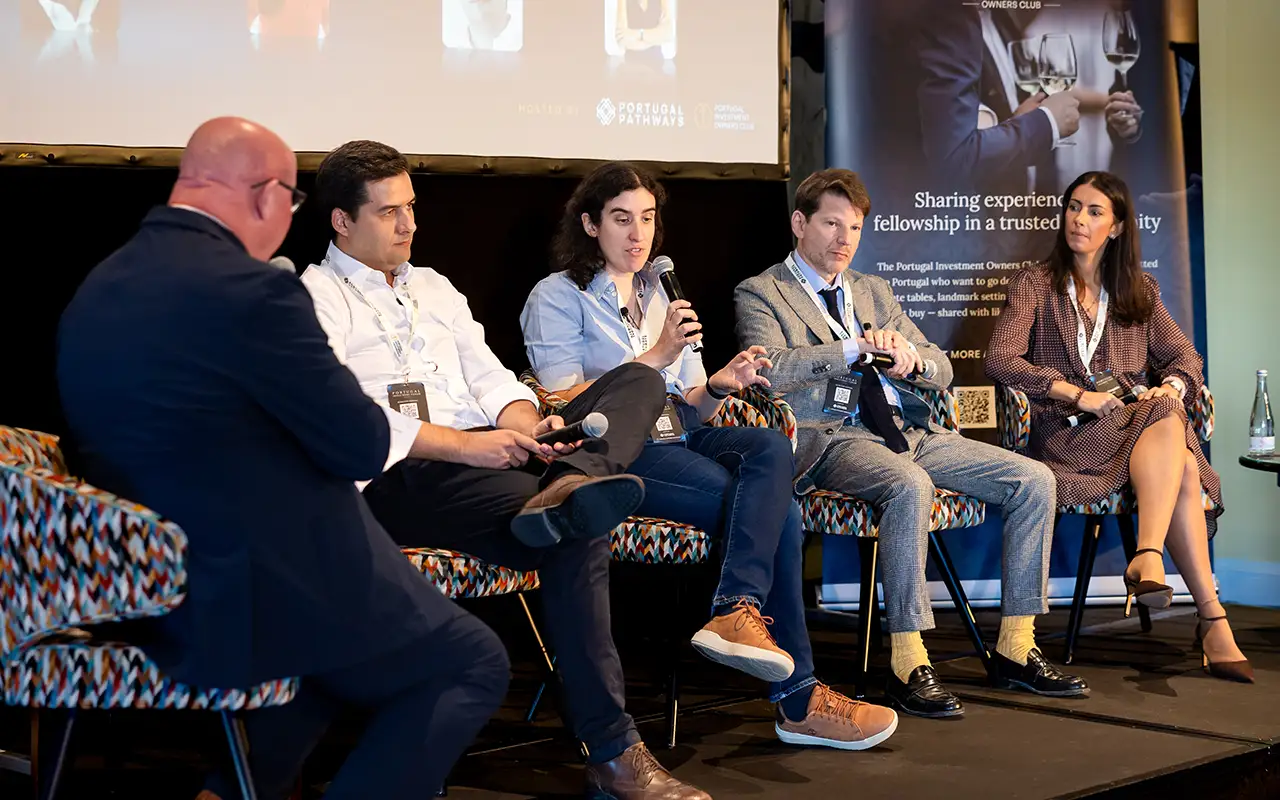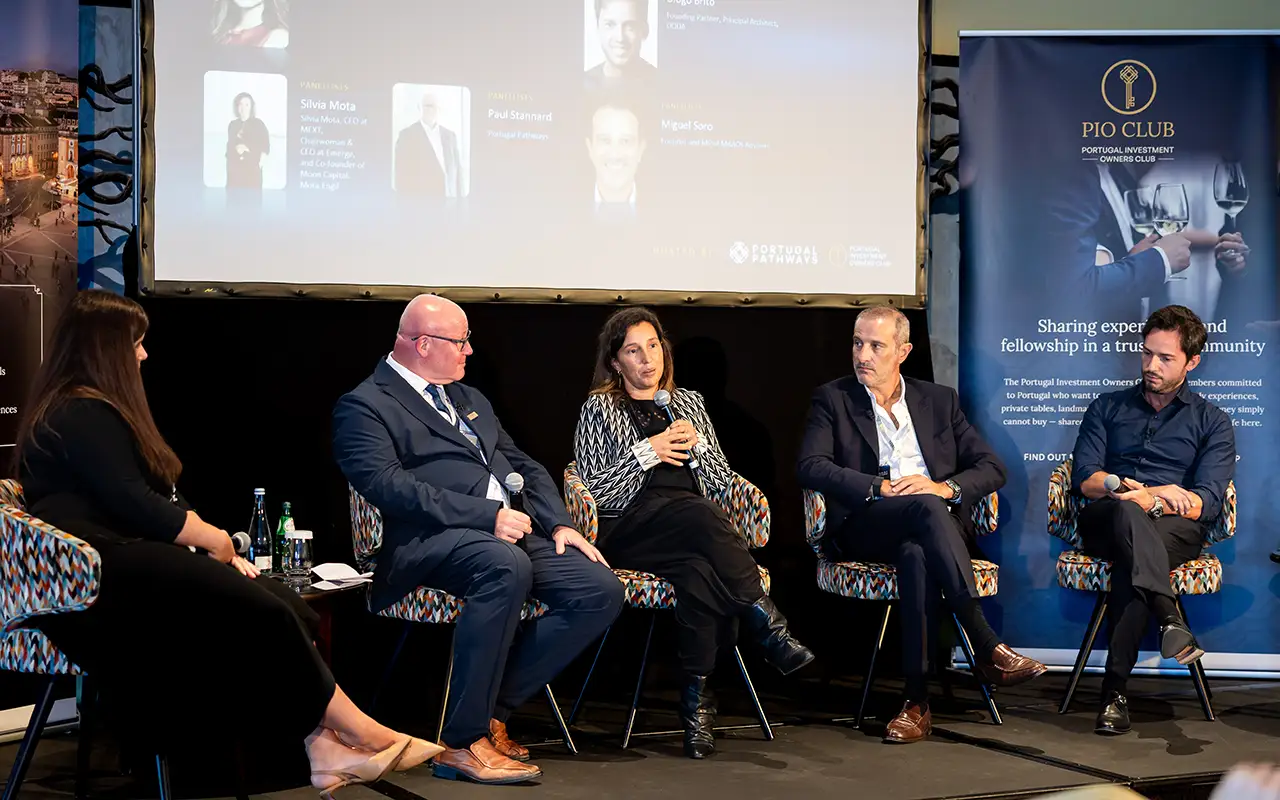
The experts shared that view and agreed on three more. Public and private sectors must work collegially so the benefits are felt by everyone. Portugal should pick the sectors where it can make its name internationally, alongside a tourism model moving towards community and experience-led offerings beyond the main centres. And arts and culture, together with the north as a powerhouse for technology and key industries, belong at the heart of that story.
Mota described change as only possible when everyone, including government, universities and other stakeholders, comes together as one voice to create actionable outcomes.
Joana Branquinho, CEO of Oria Advisors, urged investors to add value to the places they invest in, and Hugo Lima, partner at Teppe, warned against a K-shaped economy that leaves local communities behind.
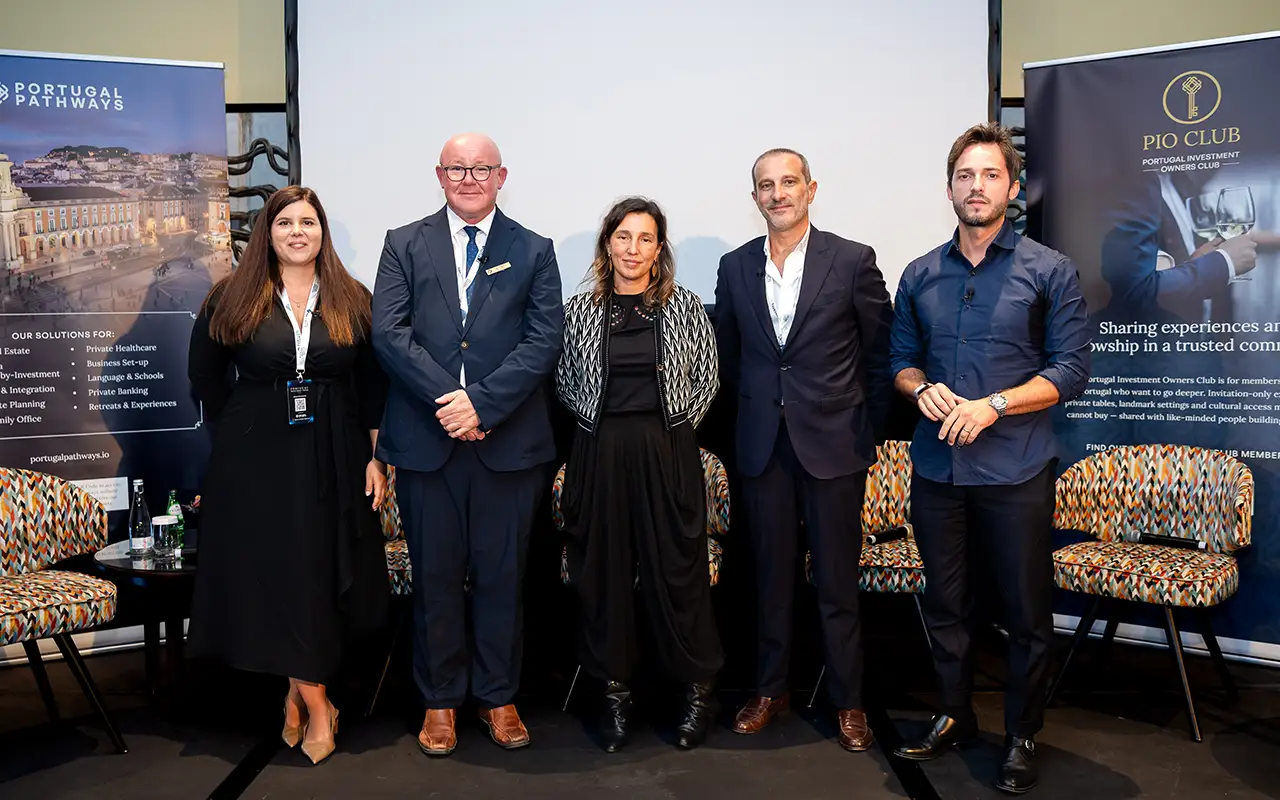
On sectors, Paul Stannard argued Portugal should become a beacon in key areas, as Diogo Almeida Alves named data centres and AI, longevity and renewables, Miguel Soro, founder and MP at MAADS Advisers pointed to skilled traditional industries, such as textiles and manufacturing, and Diogo Brito, founding partner at OODA, made the case for film and content production. Stannard, an international media and tech entrepreneur for 30 years, reiterated that media and events are the lifeblood of driving inward investment through storytelling. Portugal too often hides its story quietly in plain sight, apart from tourism and culture.

Marc Jancou, founder of The Porto Arts Club, urged investors to drive north and look beyond Lisbon and the Algarve, with Brito noting that only 18% of the Douro is vineyard and that the north’s manufacturing heritage, ambition and talent lack only access to capital and the will to scale.
Diversification was another recurring theme. Several panellists, including Inês Santos Silva of Tejomed and Sílvia Mota, argued that diversification comes in many forms and should be welcomed, across sectors, regions and the people building businesses. The growing emergence of female entrepreneurs was cited as a metric of success in its own right, with Mota pointing to the success metrics of women-led businesses and to Moon Capital as a growth fund providing smart money and networks to accelerate them.
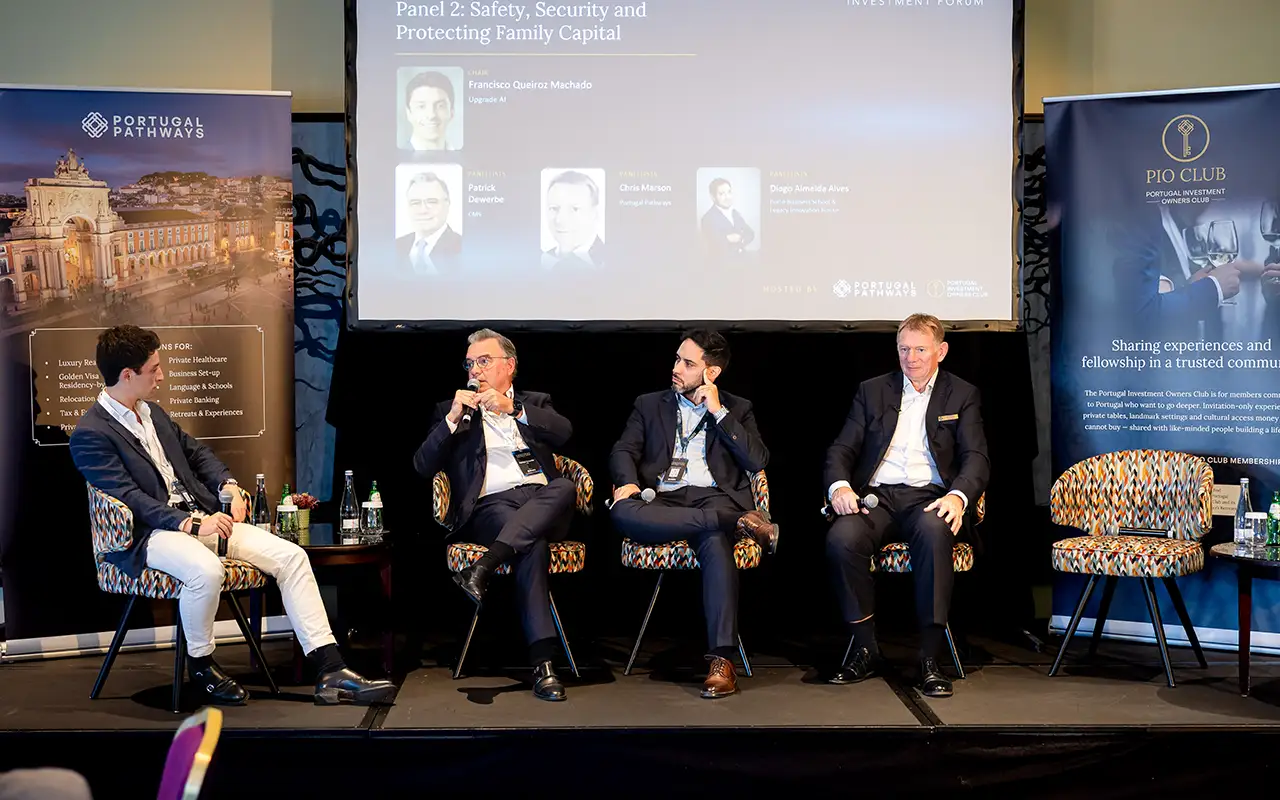
This national debate looked at the relative strengths of the regions and where new capital is flowing, and discussed emerging markets. It also talked about Portugal’s geographic location and its reputation for safety and security, along with its track record of supporting succession and inheritance so that talent can carry businesses into the next generation, as Portugal has a high proportion of family businesses and needs international support to continue in this technology-driven, evolving world.
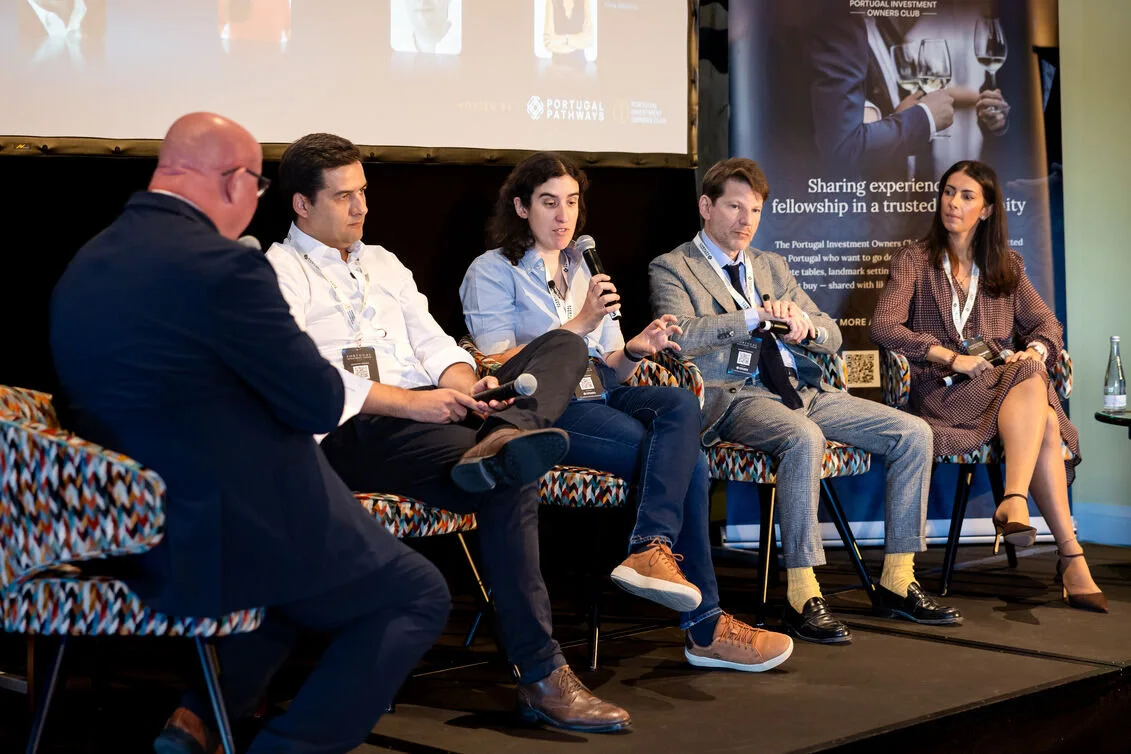
The panels also considered what Portugal must do to attract institutional investment at scale, as well as to encourage investment in start-ups. Portuguese families tend to invest heavily in property, and Portugal needs to incentivise people to invest from the bottom up as well as the top down, as a high-productivity economy cannot be created by investing only in tangible assets like property.
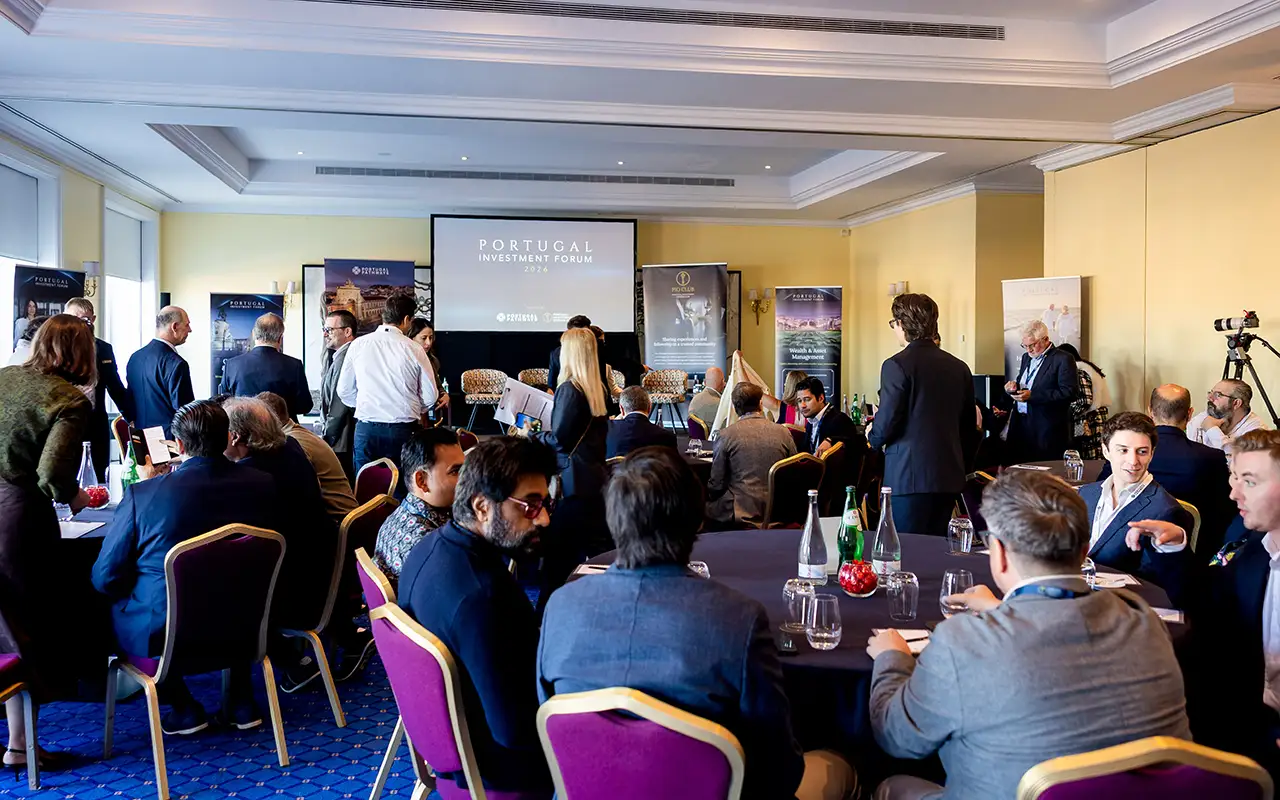
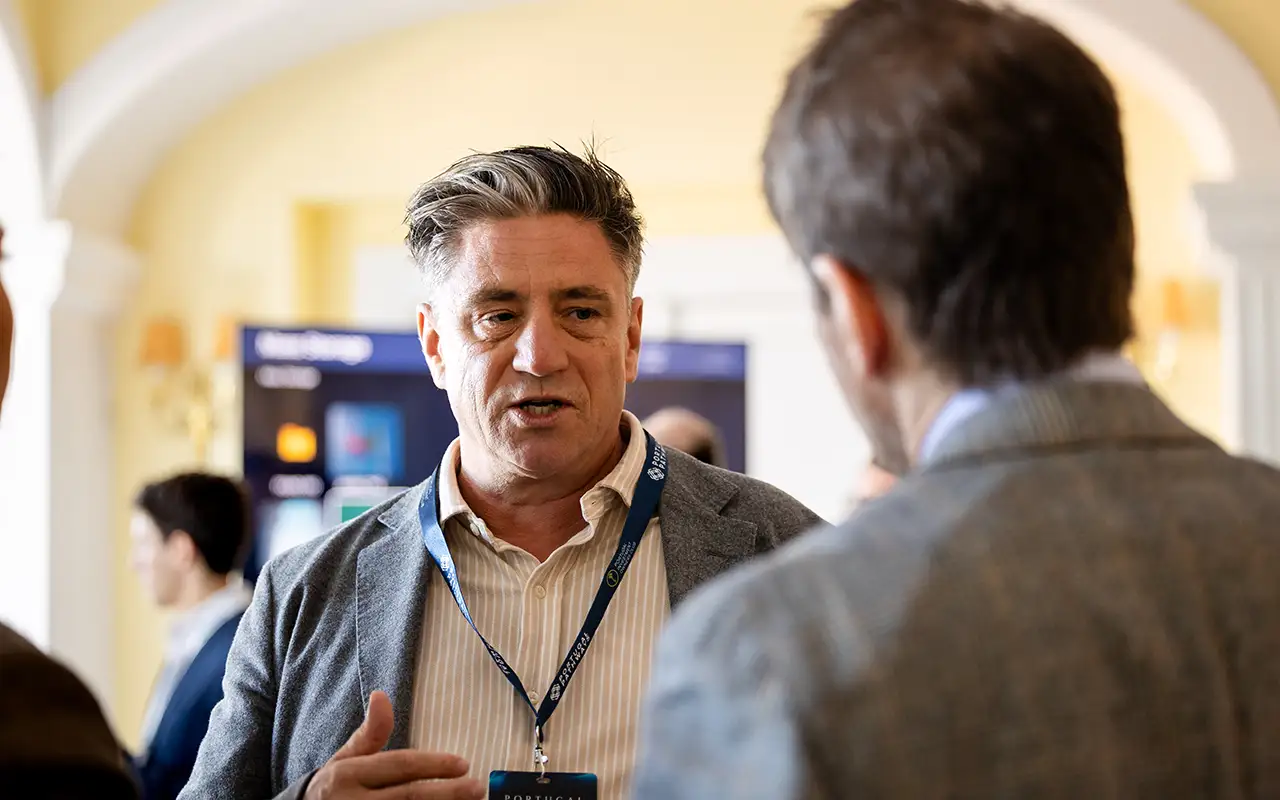
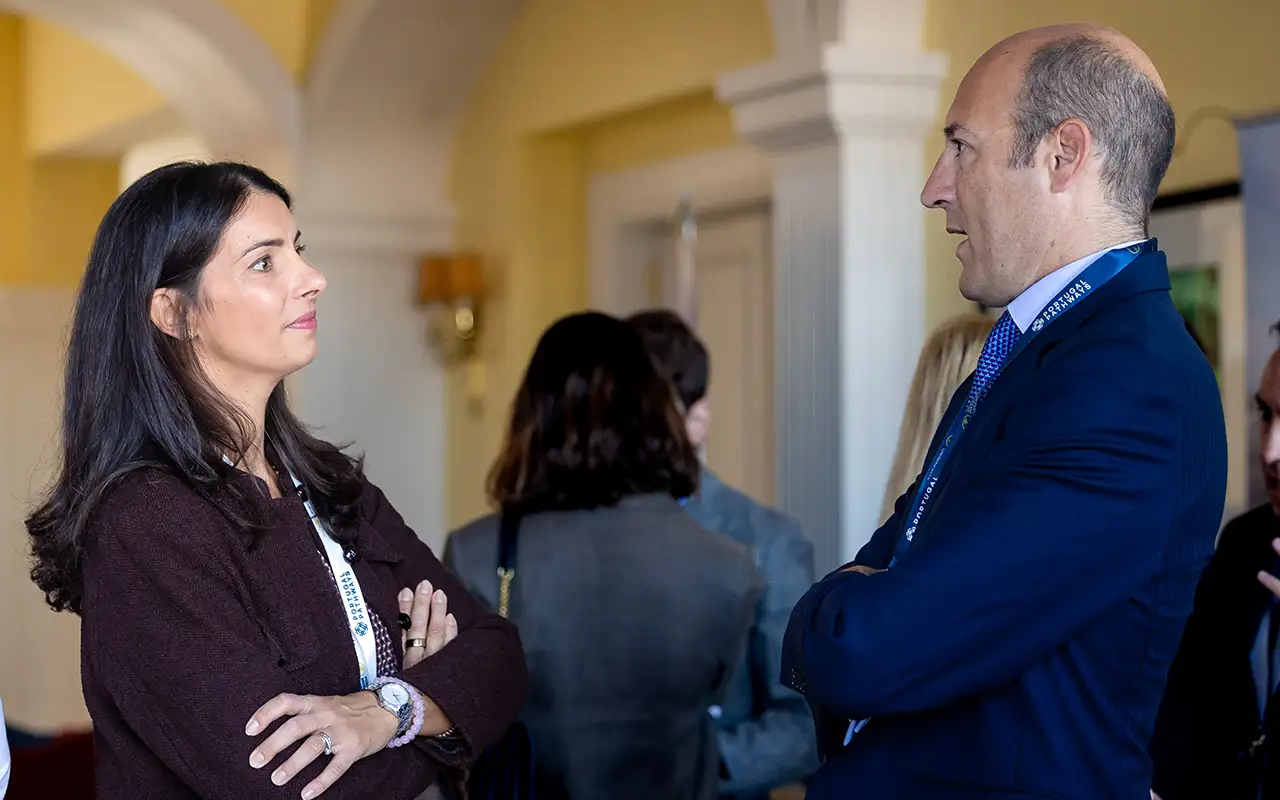
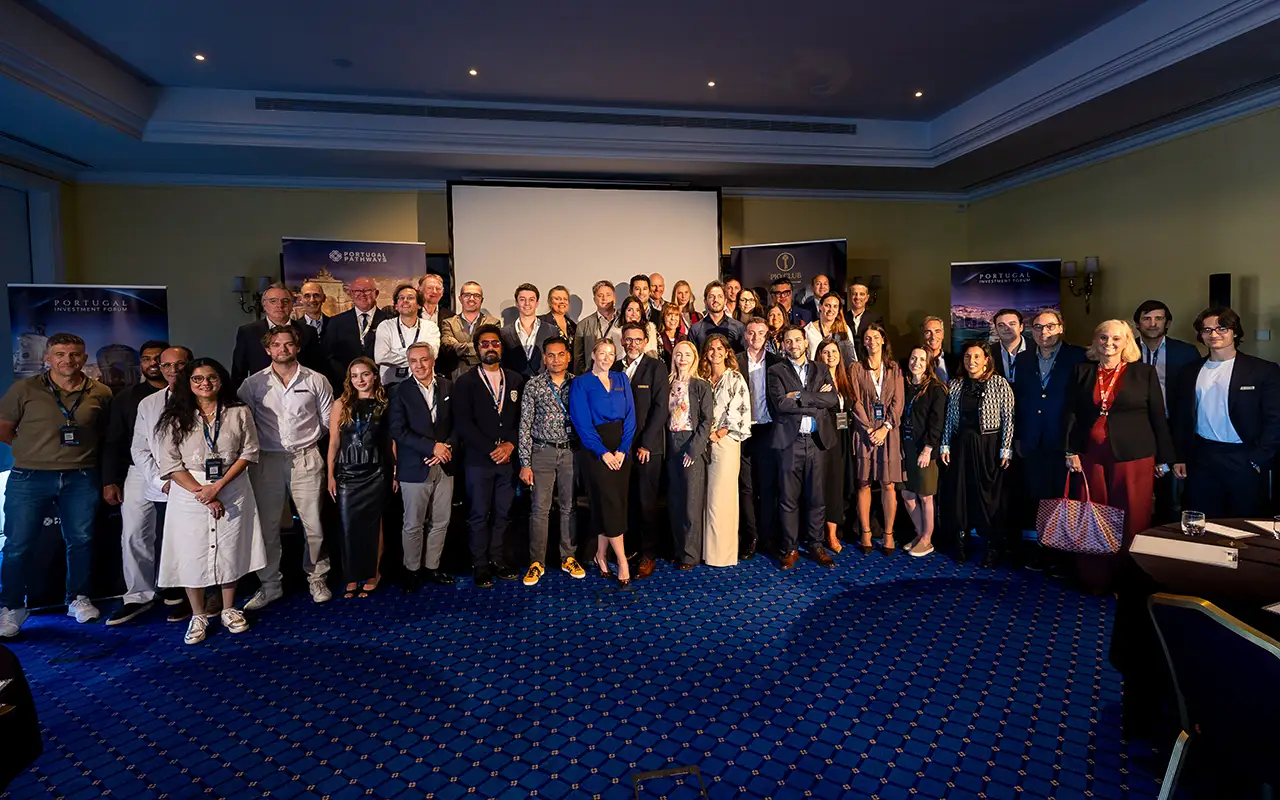
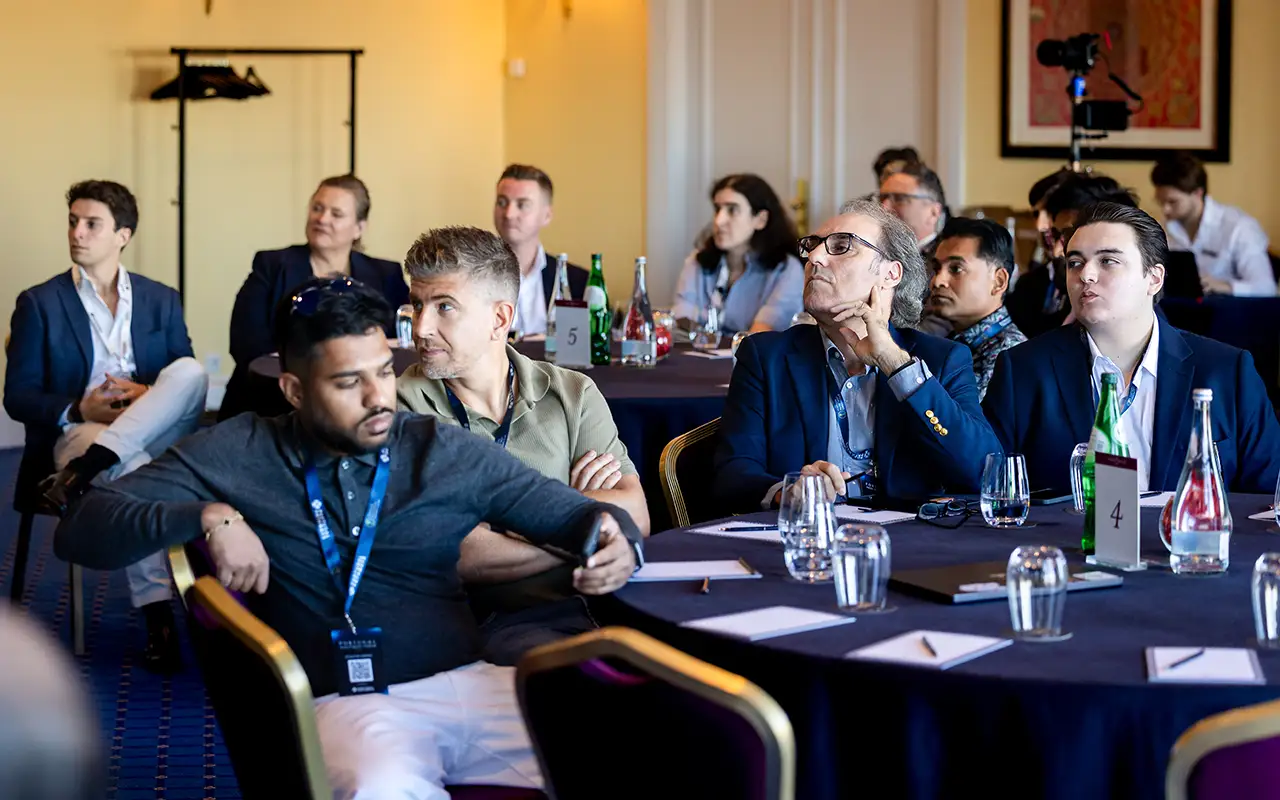
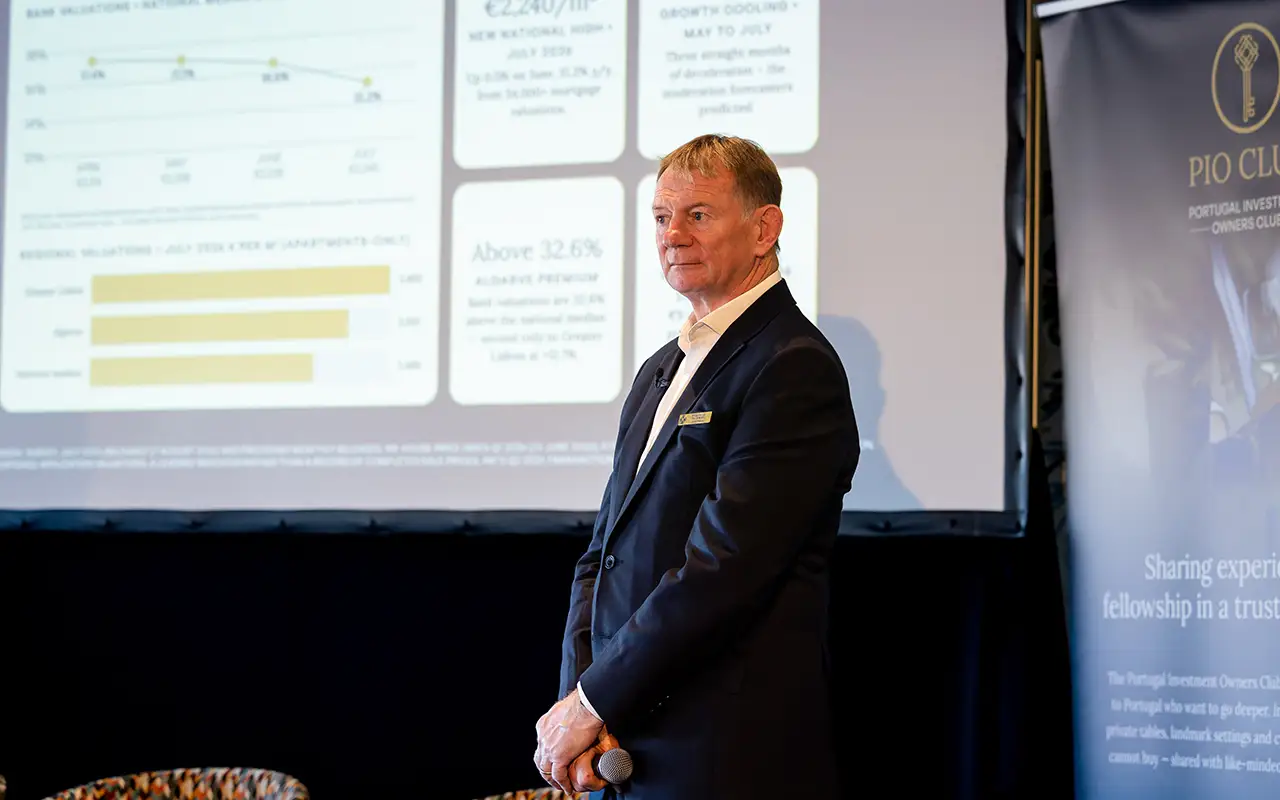
The speakers in Porto included a Portugal-based Swiss international arts investor, a major developer, a real estate adviser, lawyers, wealth and business advisers, leading academics, an architect, entrepreneurs, start-up founders and business leaders, as well as significant figures from Portugal’s largest family-owned conglomerates.
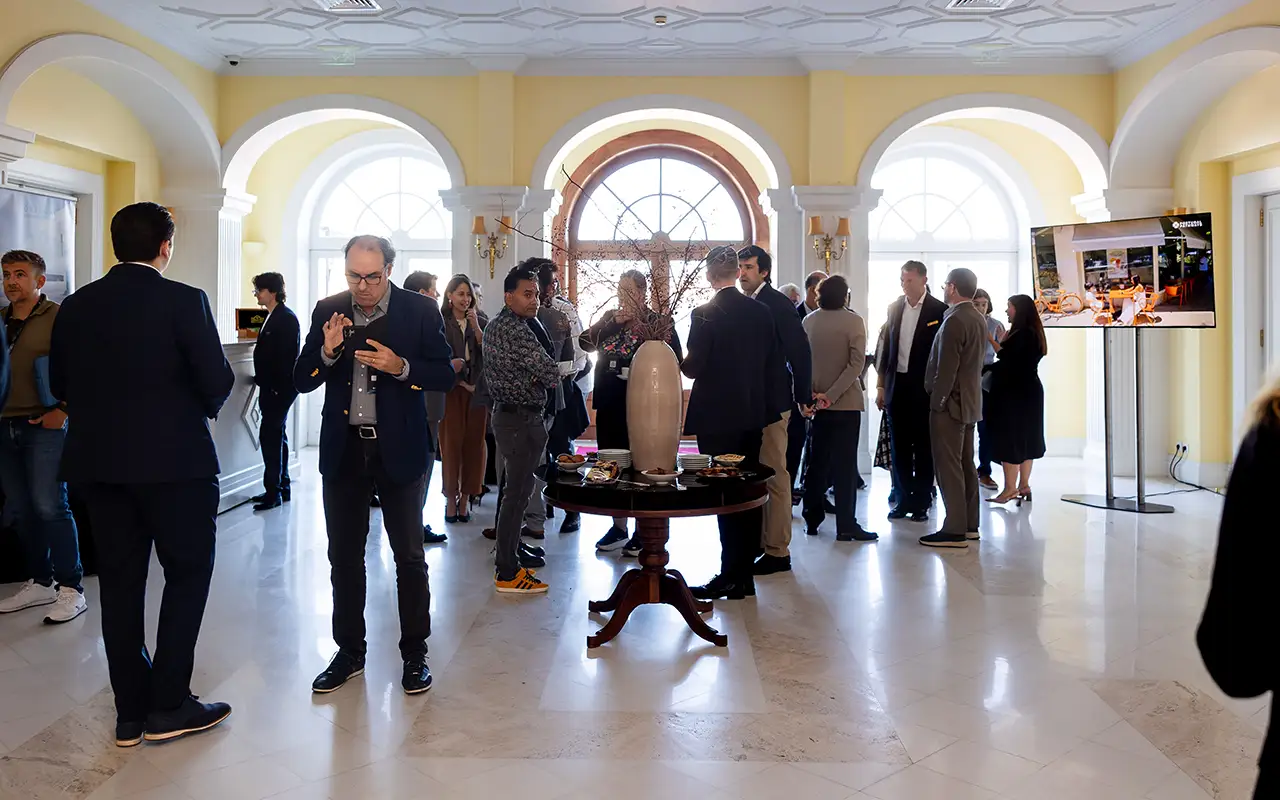
The Portugal Investment Forum was organised and hosted by Portugal Pathways and the Portugal Investment Owners Club.